

(Plus One Bonus That Could Save You Thousands)
If you’ve trained in a trade – plumbing, electrics, joinery, decorating, roofing, plastering, or general building – and you’re thinking about going out on your own, this is for you.
You’ve already done the hard bit. You’ve learnt your trade, got stuck into the graft, maybe built up some happy customers. But becoming a self-employed tradesperson? That’s a different beast. There’s no backup plan, no boss to pass the problem to, and no guaranteed payday on Friday.
Still, if you’re ready to back yourself, running your own trade business can be one of the best moves you make. Here’s how to get set up the right way – without wasting time or cash on stuff you don’t need.
Step 1: Look at What’s Going On Around You
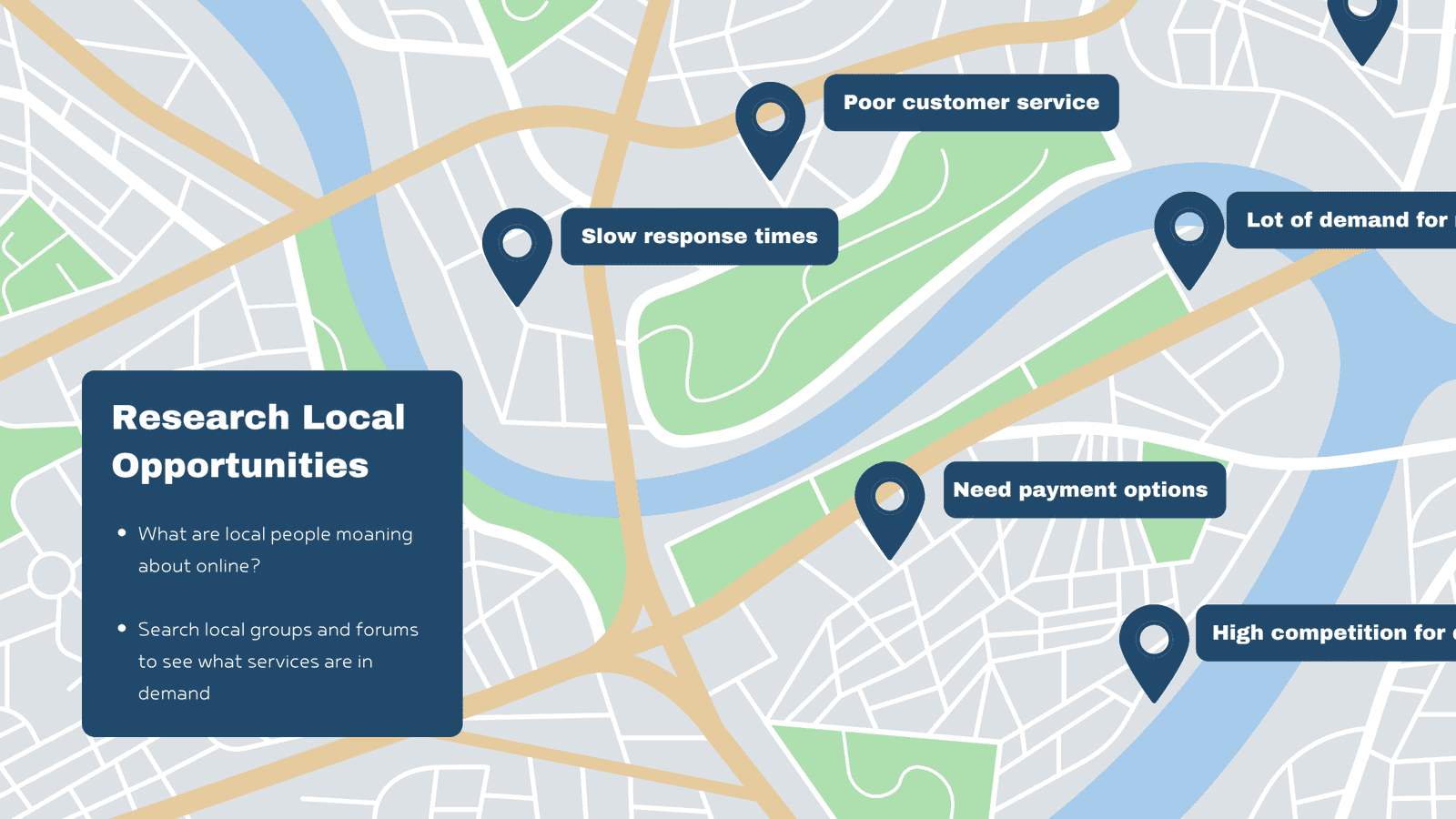
Before you get business cards printed or start thinking about logos, step back and look at what’s already happening in your area. What trades are in demand? What are people moaning about on local Facebook groups? Are customers struggling to get hold of decent sparkies or reliable plasterers?
Forget national trends. Focus on your postcode. That’s where the work will come from.
Have a nose on:
- Local Facebook groups or community pages
- Google reviews for other trades near you
- Checkatrade, Rated People or MyBuilder to see what’s listed most
- Conversations in the merchants or on the job
Look for gaps. Maybe nobody offers emergency callouts. Maybe there’s a load of general builders but not many kitchen fitters. That’s your edge.
Step 2: Pick What You’ll Do (And What You Won’t)
You don’t need to be all things to all people. In fact, trying to offer everything is a quick way to confuse customers – and yourself.
Start with what you’re good at and what there’s demand for locally. Keep it simple. Be known for doing a few jobs really well.
So if you’re a decorator, you might stick to interiors and domestic work at first. A plumber might just do bathrooms and small fixes, not full heating systems. A builder could focus on kitchen knock-throughs, not full house refurbs.
This doesn’t mean you can’t grow into more. But early on, clear is better than clever.
Step 3: Make Sure Your Paperwork’s in Order
If you’re doing any regulated work – gas, electrics, heating – you’ll need the proper tickets. No dodgy shortcuts.
Depending on your trade, that might mean:
- Gas Safe registration
- 18th Edition or Part P for electricians
- CSCS or ECS cards for site access
- Water regs, unvented hot water or legionella training (for plumbers)
- NVQs if you’re aiming for site contracts or insurance jobs
Also: make sure stuff doesn’t expire without you noticing. Keep digital copies of all your certs in one place. Customers will ask for them.
Step 4: Choose a Name That Says What You Do
Your business name doesn’t need to be clever. Just make it easy to say, easy to spell, and clear about what you do.
You could keep it simple with something like “Joe Bloggs Electrical” or “Leeds Property Maintenance.” If you’re thinking long-term, check no one else is using it nearby – and try to grab the matching domain name for your website.
Then decide: sole trader or limited company?
Sole trader is easier to start with. You don’t even need to register until you’re earning over £1,000 a year. But if you want to look more official or protect your personal assets, going limited might be the better call.
Step 5: Get Insured Before You Touch a Job

This bit’s not exciting, but it’s essential. A lot of trades only learn the value of insurance when something goes wrong. Don’t be that person.
At the very least, get:
- Public liability cover
- Employer’s liability (if you’re taking anyone on)
- Business van insurance (not just social & domestic)
- Tool cover (especially if you leave gear in the van)
You can also look into:
- Professional indemnity (if you’re offering advice or design)
- Contract works insurance
- Personal accident cover (in case you’re out of action)
It’s cheaper to sort this early, and it’ll save your neck if something goes wrong.
Step 6: Start with the Tools You’ve Got – Then Build Up
You don’t need a fully kitted-out van from day one. That comes with time.
Start with what you’ve already got, and borrow or hire kit when needed. As you land jobs, buy tools based on what you actually use. It’s better to buy one good drill that lasts than three cheap ones that break.
If money’s tight:
- Look for second-hand or reconditioned tools from trusted sellers
- Keep your receipts (they’re tax deductible)
- Mark or engrave your gear – tool theft is no joke
Everyone wants shiny new tools. But getting the job done right matters more than how new your multitool is.
Step 7: Make Yourself Easy to Find

You don’t need flashy branding to start. You do need to be findable.
Here’s what to set up:
- A simple, clean website (your name, what you do, how to contact you) (Read more about Website Essentials here)
- A Google Business Profile (so you show up on maps and local searches)
- Facebook and Instagram pages (great for before/after photos and customer trust)
That’s enough to get started. Later, you can look at ads or a professional logo if you want. But for now, focus on being clear and visible.
Top tip: Put your service and location into your website text – like “Electrician in Sheffield” or “Plasterer covering Derbyshire.” It helps you show up when people Google it.
Step 8: Act Like a Pro from Job One
Doesn’t matter if it’s your first quote or your hundredth – your reputation starts the moment you pick up the phone.
Customers will remember:
- If you turned up when you said you would
- If you explained things clearly
- If your quote made sense
- How easy you were to talk to
You don’t need to wear branded workwear or use posh software. Just be straight, honest, and organised. That’s what people want.
Step 9: Ask for Reviews Every Time
Reviews are gold. They help build trust and boost your visibility online. But most people won’t leave one unless you ask – so ask.
Text your customer after a job and say something like:
“Thanks again – if you’ve got 2 mins, would you mind leaving a quick review on Google? It helps more than you’d think.”
Start doing this from job one. Even just five decent reviews can make a huge difference when someone’s Googling your trade in your area.
Step 10: Keep Learning – Stay Ahead of the Game
This industry doesn’t stand still. New rules, new gear, new methods. If you stop learning, someone else will overtake you.
Make time for:
- Refresher courses and cert updates
- Free manufacturer training sessions
- Trade shows, supplier events, or even YouTube if it’s a decent source
Not just for the knowledge – it also shows customers you take pride in your work and keeps you sharp.
BONUS: Know Your Numbers – Or Risk Losing Money
This is where a lot of trades fall down. You can be flat out, working 6 days a week, and still end up skint if your pricing’s off.
You need to know:
- Your monthly outgoings (fuel, phone, insurance, van, tools, software, accountant)
- How many days you can realistically charge for
- What your daily rate needs to be to cover that – and pay yourself
This doesn’t need to be complex. A bit of rough maths on a spreadsheet or notepad will do. But without this, you’re guessing – and guessing leads to undercharging.
Know your break-even. Stick to it. Don’t work for less than it’s worth.
What You Don’t Really Need to Start (Even If Others Say You Do)
Right, here’s where I go against the grain a bit – and not everyone will agree with me on this.
You’ll hear people say you need all sorts of things before you start trading. A full business plan, fancy branding, every qualification under the sun. Truth is, most of it’s noise – and it can actually slow you down.
Here’s what I reckon you don’t need to get going:
- A 30-page business plan
Unless you’re applying for funding, you’re better off scribbling down a few clear goals, who your customers are, and how much you need to earn. That’s enough to get cracking. - All the certificates going
Yes, be qualified for the work you’re doing – obviously. But don’t wait until you’ve got every bit of paper before you take on your first customer. Start with what you’re trained and insured for, then build from there. - Glossy marketing materials
You don’t need branded pens or a 12-page brochure. What you do need is a clean website, a Facebook page, and a way for people to contact you. - A posh office or yard
Loads of trades run their business from home and out the back of the van. A big unit with overheads isn’t a badge of honour – it’s a cost you probably don’t need (yet). - Over-complicated pricing systems
Some lads spend more time on spreadsheets than on the tools. Keep your pricing simple, clear, and make sure it covers your costs – that’s all you need in the early days.
I know some people will call this approach too “basic” or “unprofessional” – but getting started is better than getting stuck. You can polish things up later. Don’t let other people’s rules stop you from earning.
If you’re just setting up and trying to get your head around it all – come join the Facebook group.
It’s built for UK tradespeople like you who want honest advice, free tools, and some help getting your business off the ground.
[Join the Group →]